WNC Orchard Insect Pest Populations - July 12, 2022

(Updated: Feb. 11, 2026, 7:32 a.m.)
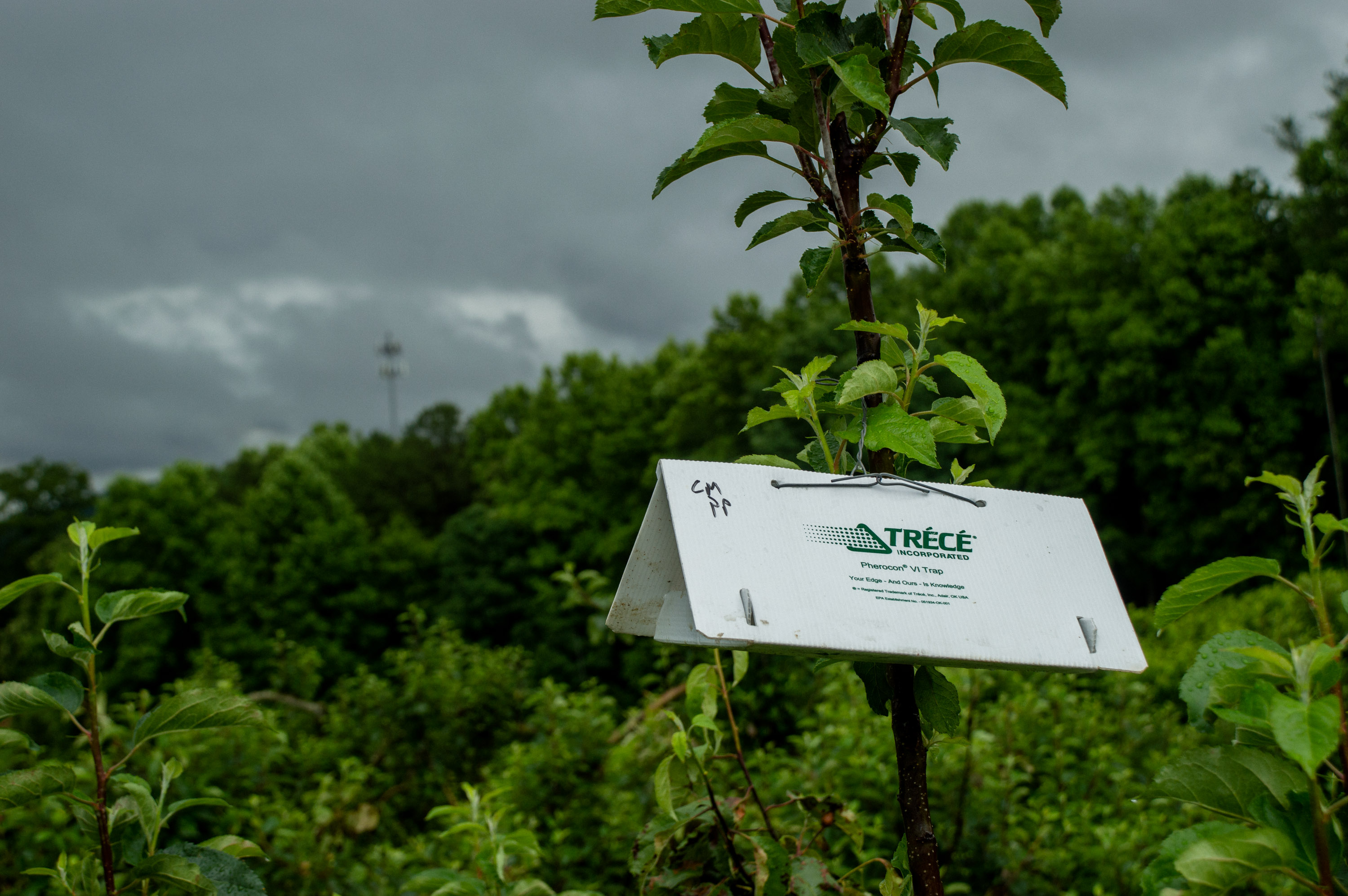
Insect trap in orchard

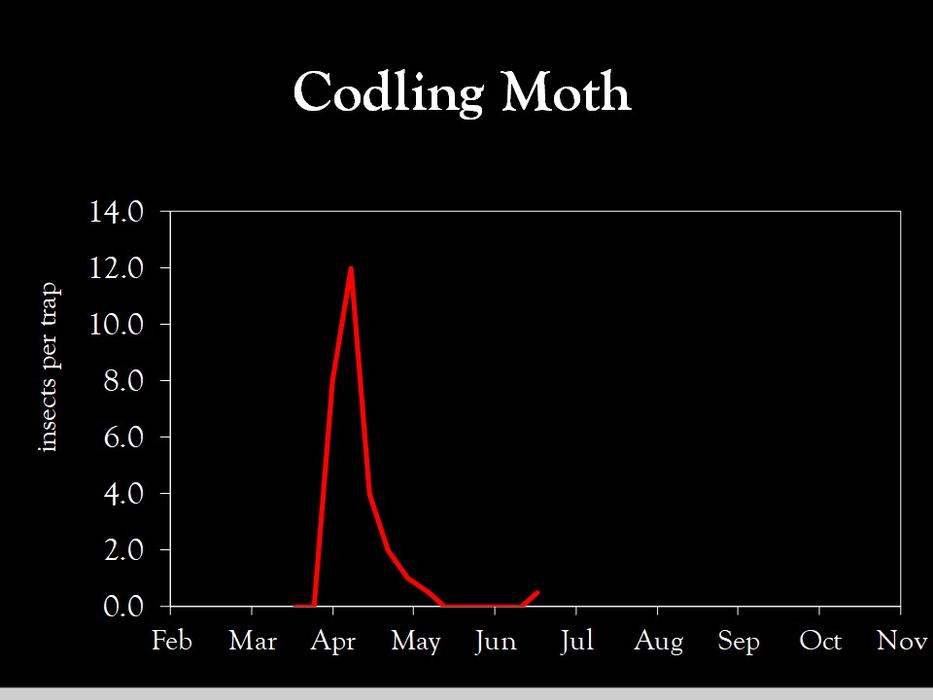
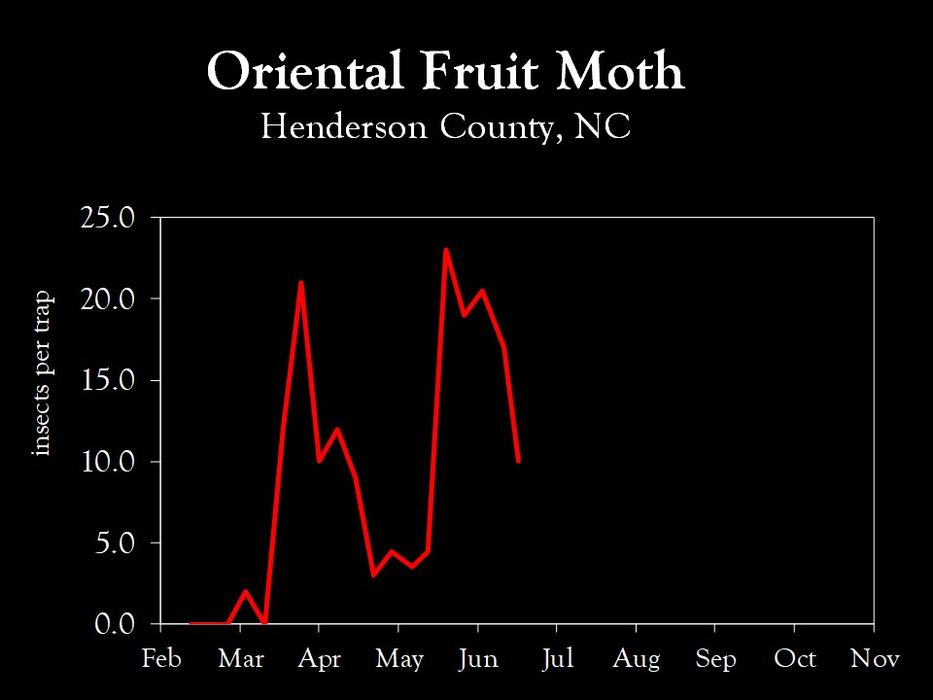
Codling moth and oriental fruit moth populations remain relatively low throughout the region, but they both remain a potential threat based on their stage of development.  In Henderson County, second generation codling moth is in the early stages of egg laying, and will continue to lay over the next several weeks.  Second generation OFM is in the early stages of emergence.  In lower elevation Cleveland County, both second generation codling moth and third generation OFM is in the midst of egg laying (about 60% complete). While a single insecticide application targeting these populations is sufficient in most orchards where populations are low, the use of pheromone traps is the only way to monitor population density and confidently make a decision to not spray.

First generation brown marmorated stink bug (BMSB) adults are on the cusp of emergence in Cleveland County (see figure below), so expect adult numbers to be increasing over the next several weeks. Adult emergence is still several weeks away in higher elevation orchards in Henderson, Haywood and Wilkes Counties. Most pyrethroid insecticides provide good control of BMSB.  Pyrethroids will also do an excellent job of controlling OFM populations.
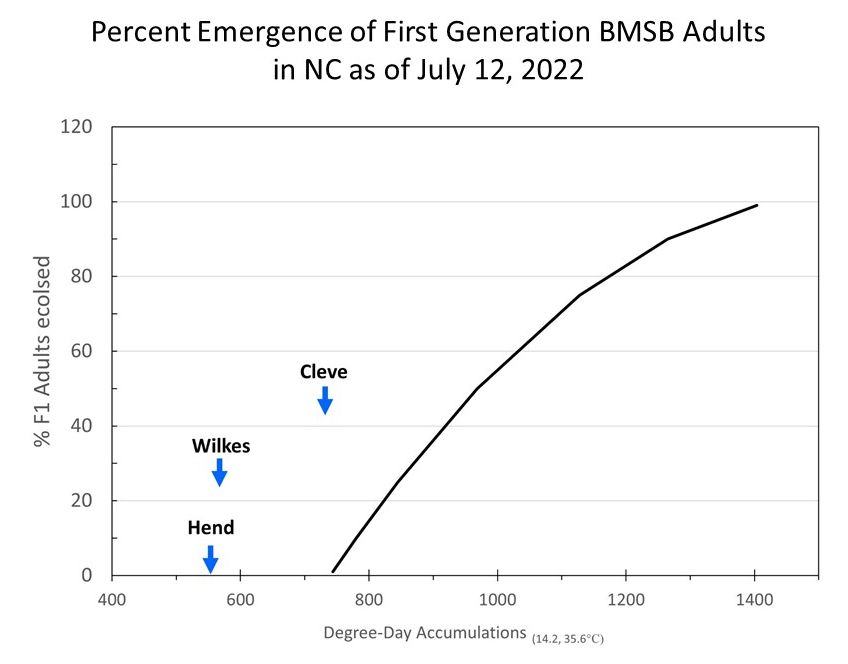
Chart showing percent brown marmorated stink bug emergence up to July 12.
 

Bifenthrin Now Registered on Apples and Peaches

For the past 10 years or so, bifenthrin has been allowed on apples and peaches via a Section 18 label.  Last November the EPA approved a full label (Section 3) for use on pome and stone fruits. Products available for use include Brigade 2EC and WSB, Fanfare 2EC and 2SC, and the premix Hero (contains bifenthrin and zeta-cypermethrin). Maximum use after petal fall cannot exceed 3 applications per year and a total of 0.45 lbs AI  per acre.

2022 Apple Field Day

Finally, remember that Apple Field Day will occur on July 28 at the Mountain Horticultural Crops Research and Extension Center in Mills River. There are many good presentations scheduled and admission is free!


Learn more about southeastern apple insect pests at the Apple Insect Management page.


2022 Average Weekly Trap Captures


HENDERSON COUNTY
Insects per trap
Jun 27 Jul 5 Jul 11
Codling moth  0.0 0.0 0.5
Oriental fruit moth 20.5 17.0 10.0
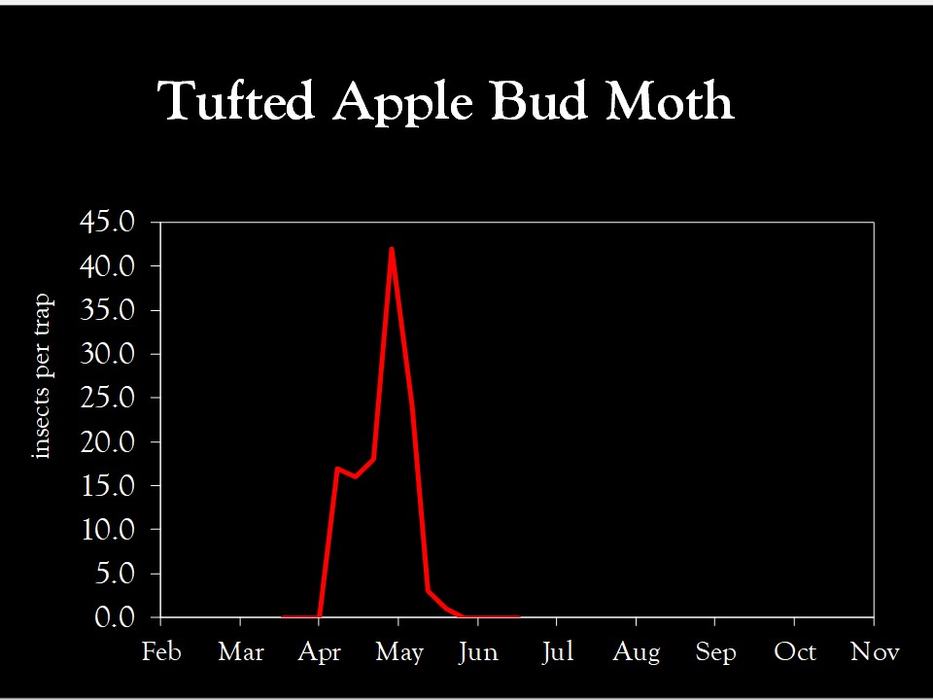
Tufted apple bud moth 0.0 0.0 0.0
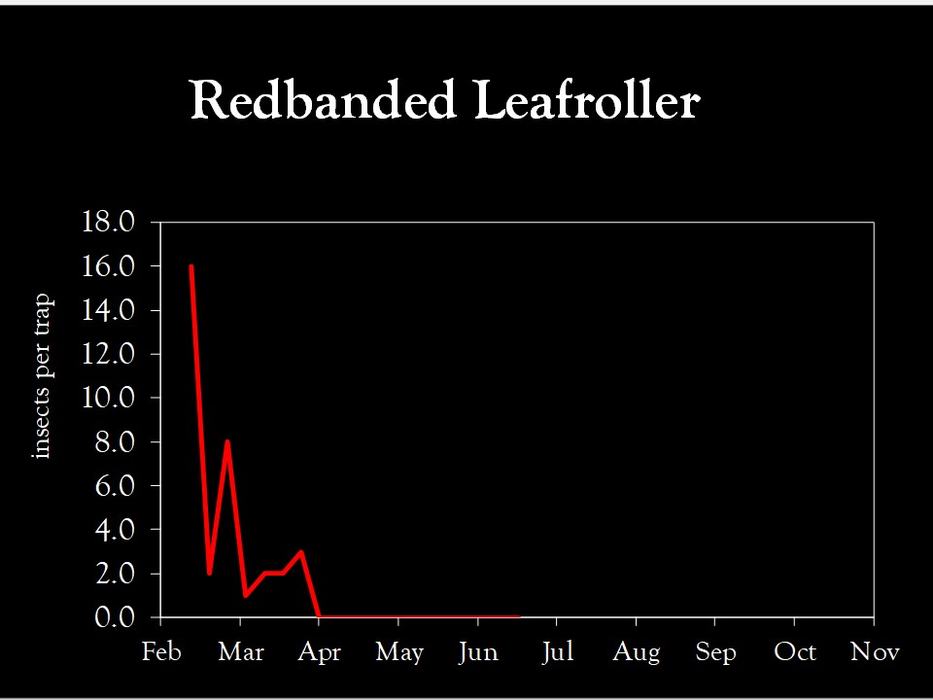
Redbanded leafroller 0.0 0.0 0.0
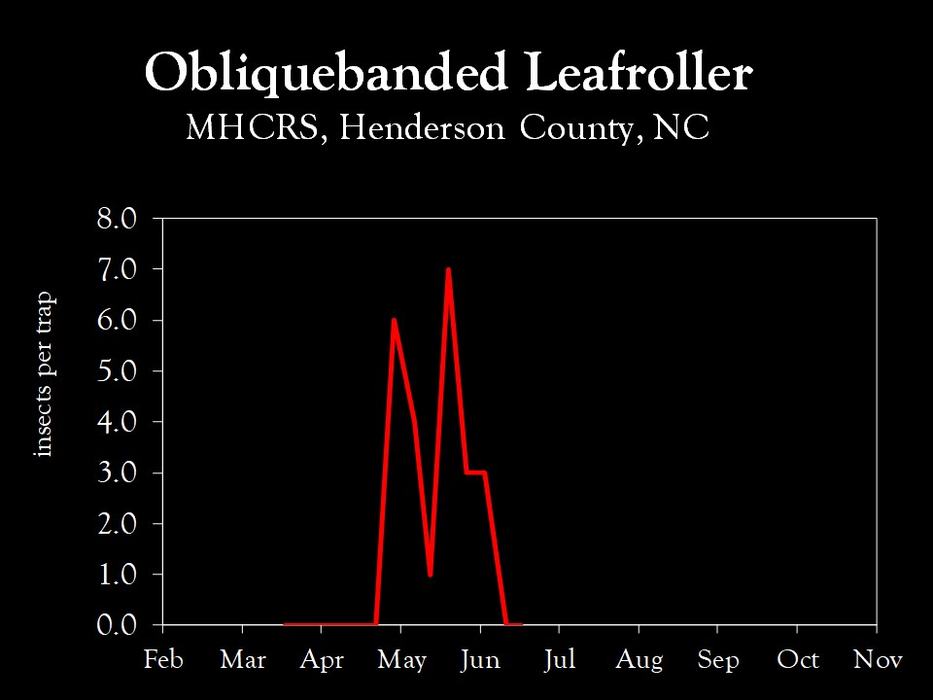
Obliquebanded leafroller 3.0 0.0 0.0
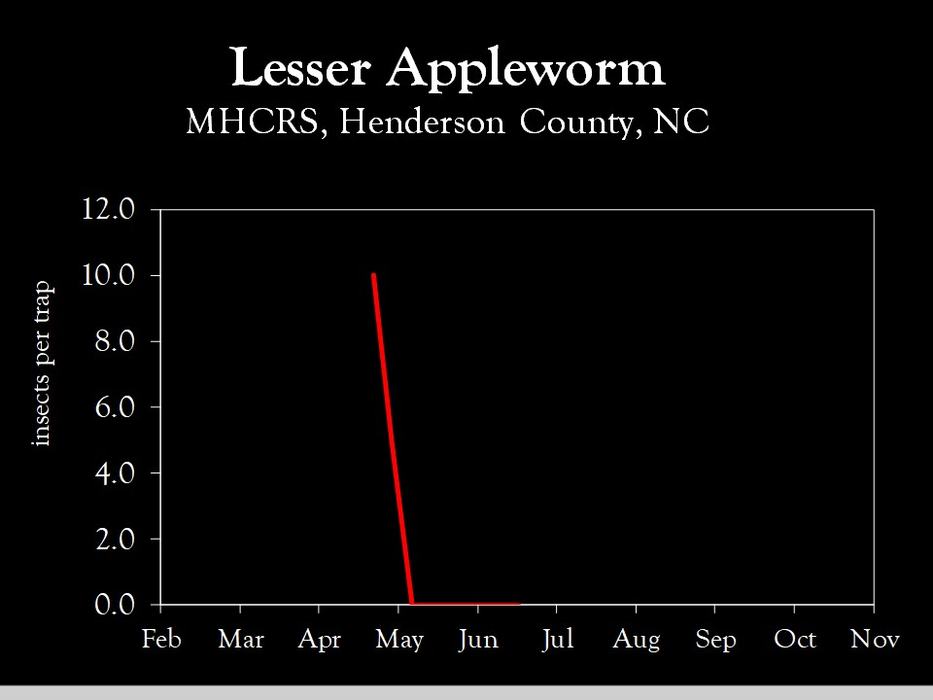
Lesser appleworm 0.0 0.0 0.0
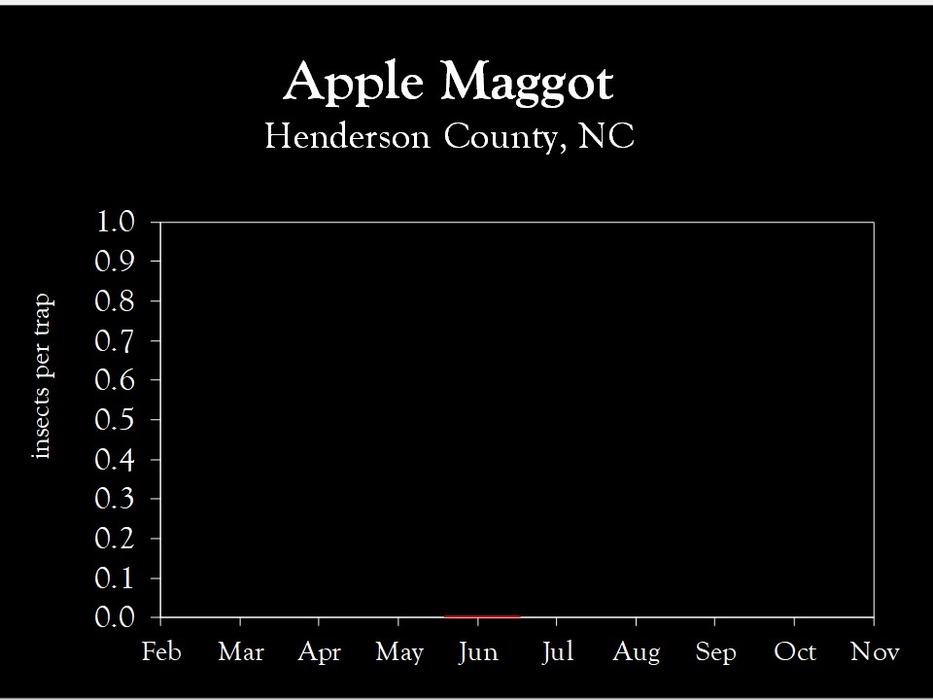
Apple maggot (abandoned and research orchards) 0.0 0.0 0.0
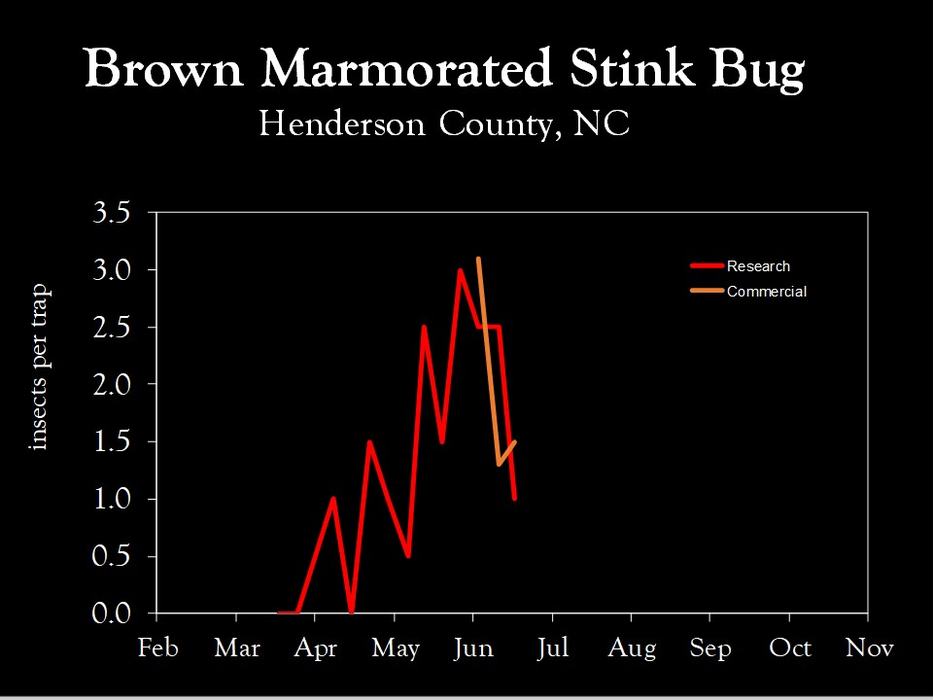
Brown marmorated stink bug (commercial) 3.1 1.3 1.5
Brown marmorated stink bug (unsprayed) 2.5 2.5 1.0
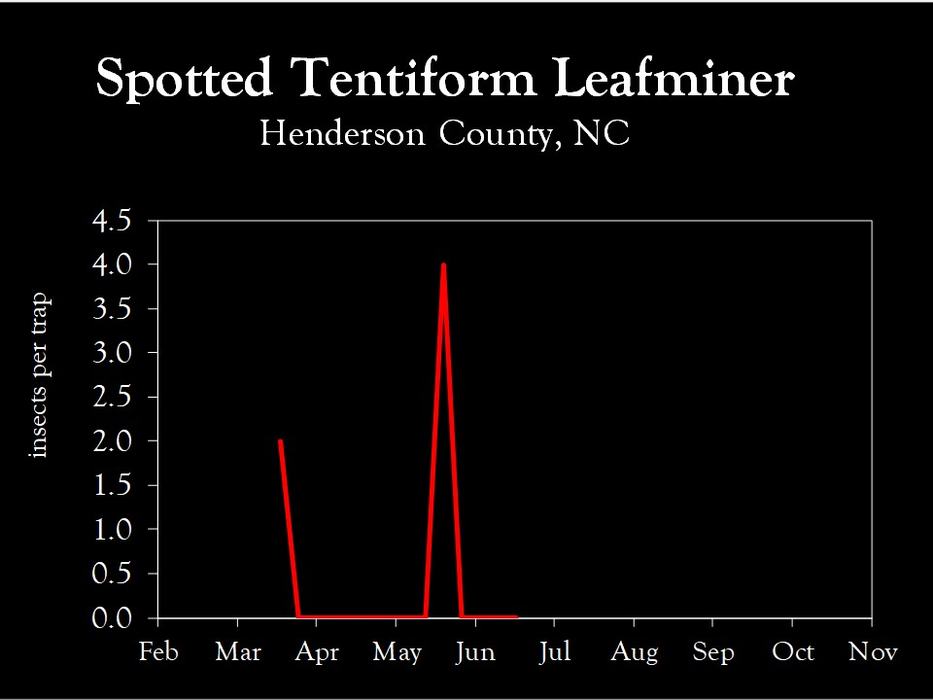
Spotted tentiform leafminer 0.0 0.0 0.0
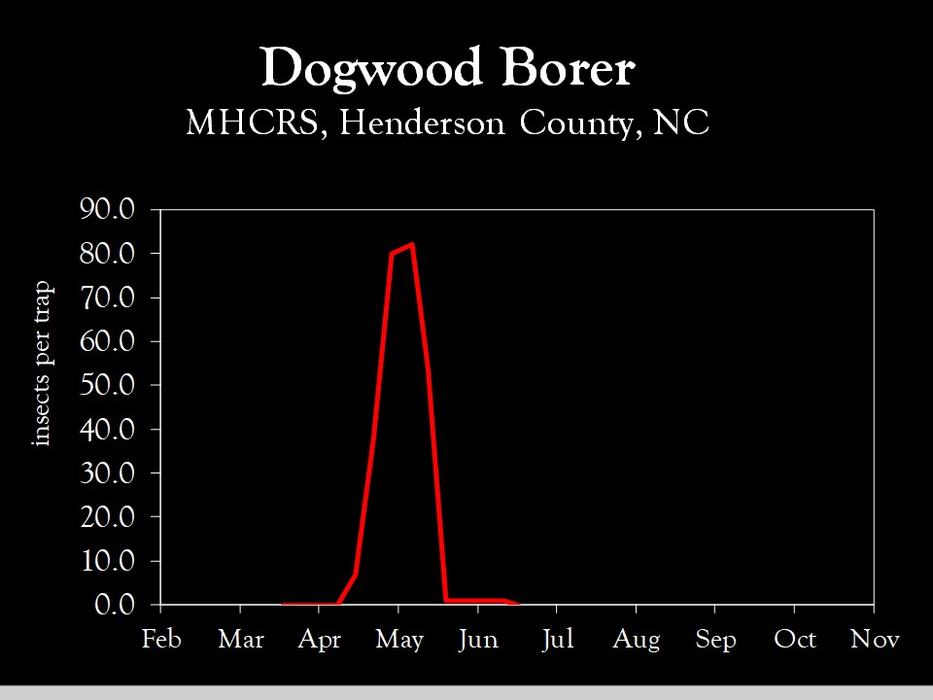
Dogwood borer 1.0 1.0 0.0
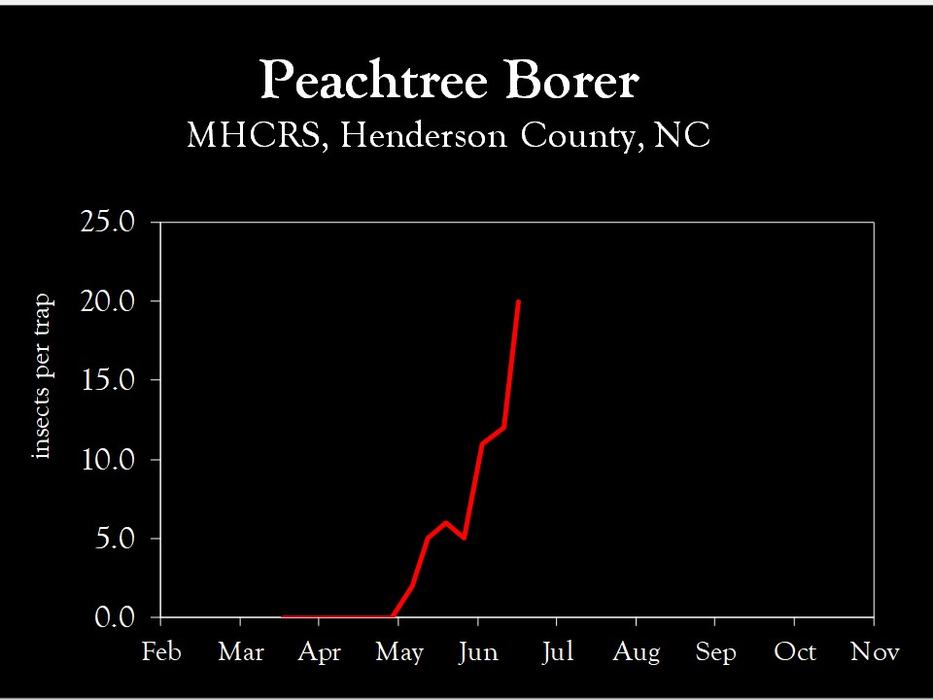
Peachtree borer 11.0 12.0 20.0
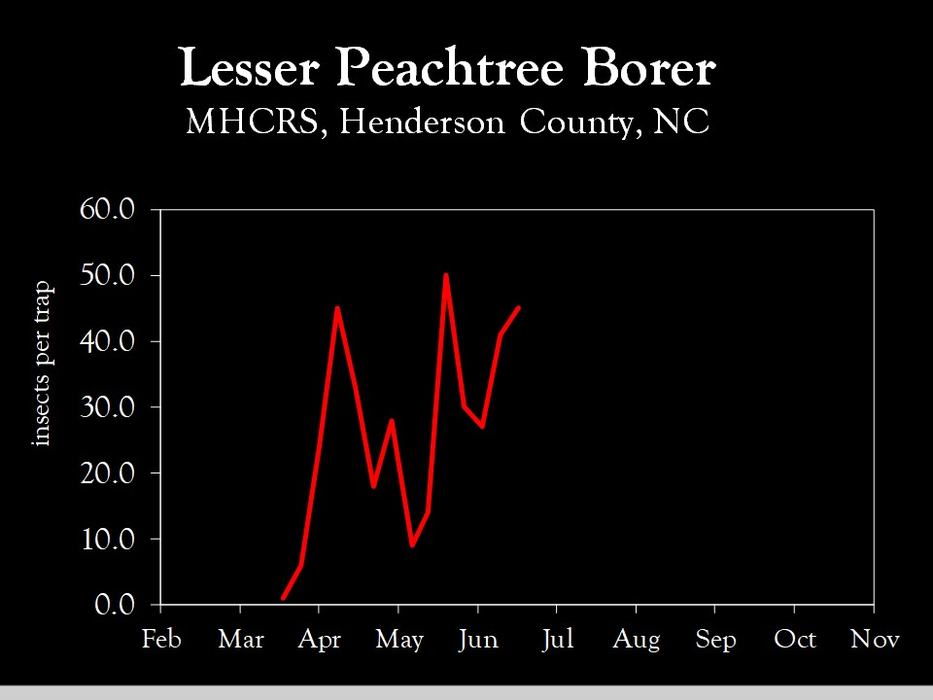
Lesser peachtree borer 27.0 41.0 45.0
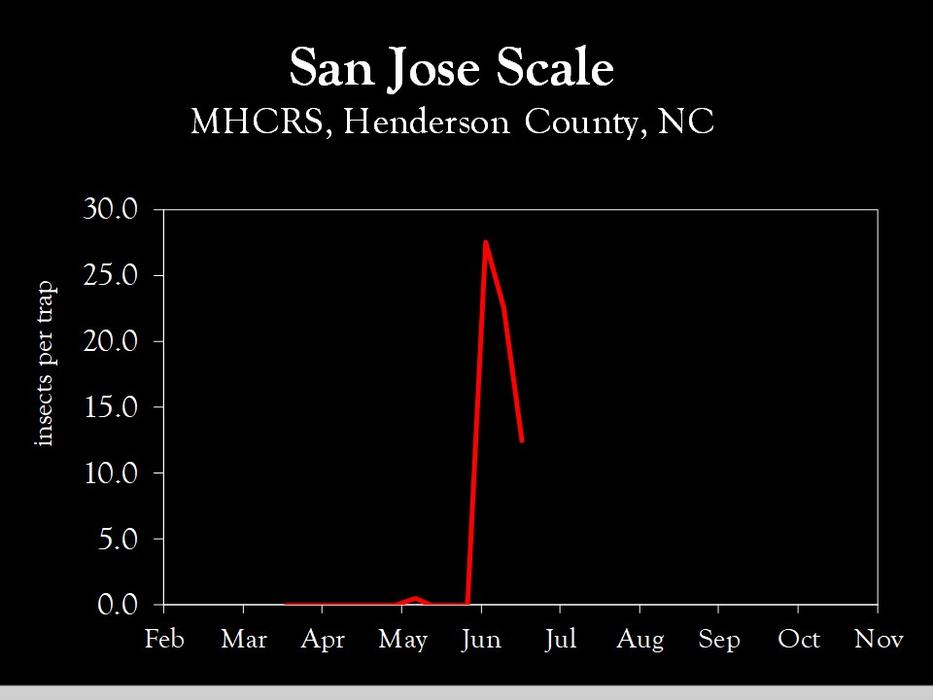
San Jose scale 27.5 22.5 12.5
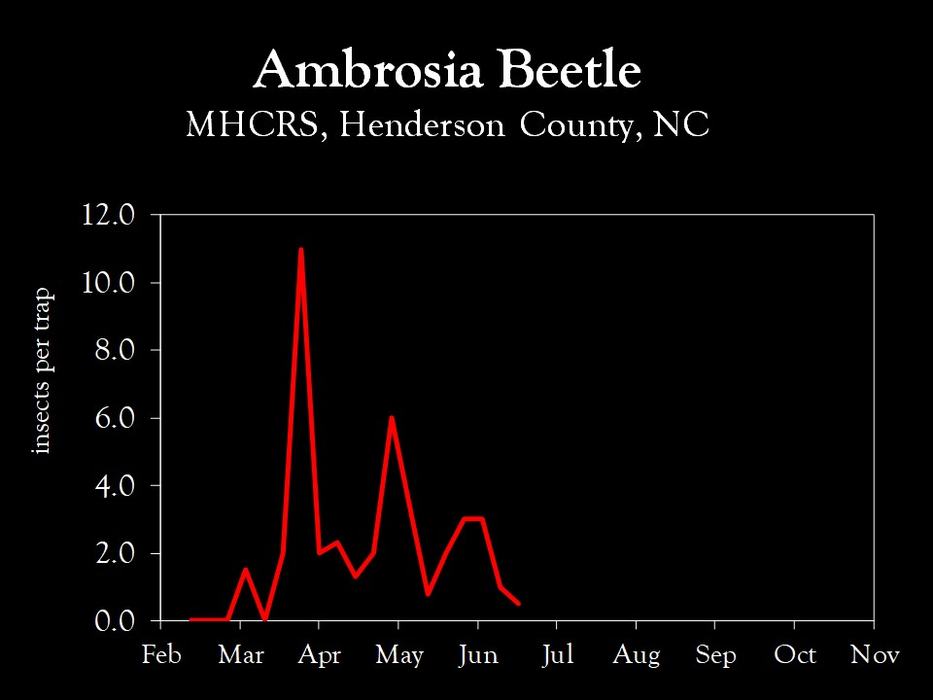
Ambrosia beetle (all species) 3.0 1.0 0.5


*Note that these averages illustrate only the timing of insect emergence and fluctuations in populations, and are not representative of population levels in any given orchard. The only way to have an accurate assessment of an individual orchard’s populations is to set up traps in that orchard.


2022 Accumulated Degree Days


HENDERSON COUNTY
Jun 27 Jul 5 Jul 11
Codling moth (Biofix: April 22) 1126 1320 1478
Oriental fruit moth (Biofix: April 12) 1541 1775 1963
Tufted apple bud moth (Biofix: April 27) 1343 1577 1766


About degree-day models


2022 Pest Trends (click to enlarge)


Chart showing insect population trends